


Elena Rodriguez
Updated: 2026-04-20
What if the promotional copy you worked so hard to craft is never even opened? Did you miss your only chance to win them back during those golden five minutes before they put their phones down? For retail brands competing in a highly competitive market, you can try (or optimize) Retail SMS marketing campaigns.
According to research by Worldmetrics (2026) , SMS continues to outperform almost every digital channel in 2025, with open rates reaching as high as 98%. 5.6 billion subscribers, global reach. zero friction (2025) , mobile messaging's footprint is unmatched. Retail text messaging isn't just an option, it's the perfect fusion of global scale and instant visibility, providing brands with an unfiltered, direct connection to their audience.
This guide will help you understand how SMS for retail can reach your customers, capitalize on conversion opportunities, and increase revenue—all at a lower customer acquisition cost.

What Is Retail SMS : Definition & Types
Retail SMS, also known as “retail text messaging”, refers to the practice of retailers or e-commerce platforms using text messages to communicate with potential and existing customers, either one-way or two-way. By delivering targeted messages directly to customers' mobile devices, it transforms traditional marketing channels into a dynamic and personalized form of communication.
Unlike email marketing, which is often overlooked by users and has inconsistent open rates, text messages are typically opened within minutes (2025) . This immediacy makes it a highly effective channel for retail brands and retail texting covers most scenarios in the retail industry. Primarily categorized into three main types:
- Promotional: Promotional texts sent during seasonal sales, flash sales, and new product launches can encourage customer spending, drive sales, and convert traffic.
- Transactional: These include order confirmations, shipping notifications, one-time passwords (OTPs), and tracking updates. Their primary purpose is to keep customers informed in a timely manner and build trust.
- Relational: This highly flexible category includes applications such as birthday greetings, notifications about changes to membership points, and cart recovery. It requires a foundation of market research and data analysis capabilities to effectively enhance user retention and increase LTV.
For example, a SMS for retail industry may look like this:

This promotional message is short, relevant and also highly personalized and designed to promote quick action.
4 Key Benefits That Drive Retail Sales
With text messaging for retailers, you can reach your targeted audience with a simple process, great speed and highly personalized message. All these great features make it an amazing tool for boosting engagement and sales.
Key Benefits:
- Zero-Friction Reach: SMS offers unparalleled accessibility, functioning seamlessly on any mobile device without the need for data or third-party apps. While the opt-in requirement is a regulatory necessity, it doubles as a powerful strategic filter. By requiring a proactive "Yes," SMS for retail ensures your resources are focused exclusively on high-interest customers who are primed for engagement.
- Instant Engagement: Retail messages have a very high open rate like we mentioned. If you use retail messages to send a flash sale alert to your customers, then there are very high chances that it will reach and be read by your customers before the promotion ends.
- Cost-Effective Communication: The cost of sending a message with SMS marketing is quite low. According to Forbes Councils (2024) , it's around $0.015-$0.05 per message. Such a low cost of an SMS campaign as compared to the cost per click marketing results in a high return on investment (ROI).
- It's easy and quick: Creating an SMS campaign can be done in minutes from a computer, and allows you to establish an immediate relationship with your contacts as soon as you decide.
Mobile messaging for e-commerce is personal, fast and action-oriented. That's why it perfectly suits brands that are aiming for quick customer engagement. It also provides measurable ROI from promotional communications.
6 Steps to Orchestrating a Retail SMS Marketing in 2026
For running a successful SMS marketing campaign, sending messages without proper planning will not bring good results. If you already have some practical experience with SMS marketing, you can focus on the retail scenarios outlined in these steps. If you're new to this, here's an overview of the basics:
💡Learn More:
- What Is SMS Marketing? Everything You Need To Know
- SMS Marketing Best Practices to Break Status Quo in 2026
Below are some steps tailored for the retail industry, based on best practices, that will help you avoid common mistakes early on, acquire and re-engage customers, and actually see conversions:

Step 1: Ensure Compliance
Please be sure to comply with all applicable regulations regarding A2P SMS and subscriber consent rules. To this end, you must obtain the subscriber's consent and inform them of the expected frequency of messages. Each SMS message should include instructions on how to unsubscribe. For the retail sector, please be sure to comply with “Quiet Hours” regulations and refrain from sending marketing SMS messages late at night. Following these guidelines not only protects your brand image but also ensures higher delivery rates.
Step 2: Define Your Goal
Set yourself the specific targets you want to achieve: number of people visiting the store following an invitation, increase in sales in a product category, success of a promotion, request for information on a new service, new customers (in terms of age or geographical area), etc.
Step 3: Segment Your Audience
If you segment your data into different categories and send specific text messages to these groups, you'll get a much better return on investment than if you send the same text message to everyone. For example, men probably won't be interested in the new kids' clothes you have in stock. More relevance means more response. Don't waste money and don't send messages to people who aren't interested.
Step 4: Craft Targeted Messages
Write short, to-the-point and action-oriented SMS. Don't forget to include your brand name, a compelling call to action and your core information (promotional/transactional/relational). Please note that each message should serve only one purpose; do not include promotional offers in transactional messages.
Step 5: Schedule and Send
Timing can be really important. Nobody wants to buy a pizza at 9 a.m. So think about the content of your message and consider when your customer would be happy to receive it and is likely to respond and then schedule the send! For regular promotions, Tuesday through Thursday from 7:00 p.m. to 9:00 p.m. (the “couch” hour) is the ideal time. For major sales events, it's best to establish a staggered sending schedule for the pre-event build-up, just before the event starts, and just before it ends. For retailers with international operations, SMS service platforms can be used to automatically schedule send times across time zones, ensuring high delivery rates during peak retail periods.
Step 6: Monitor and Optimize
Monitoring the results of your campaign is really important. Track metrics such as open rates, click-through rates, conversions and opt-outs. By doing this, you can get an idea about which segment responds best and which messaging resonates most with your customers. By using such metrics, you can adjust your upcoming campaigns.
4 Retail Business Use Cases for Customer Acquisition & Loss Prevention
Let's now discuss some practical use cases of SMS marketing for retailers. These will show you how you can use this channel to get engagement, more sales and customer loyalty.
1. Flash Sale Alerts

Example: A fashion retailer can send a 12-hour flash sale alert to its customers for a new collection drop.
Key Strategy: Time-limited offers are typically read by customers immediately, so send your text messages at times when you believe customers are most likely to take action. In addition to the usual peak promotional times, you can use your backend analytics to predict peak order times and send text messages 30–60 minutes in advance.
Time-limited promotional texts should emphasize urgency and keep the message brief. A clear call to action (CTA) helps encourage customers to act immediately.
Tip: Try to avoid sending generic mass messages that don't have any deadlines. Such messages often get ignored.
SMS Template:
[Brand] Summer Collection Alert! Exclusive 12-hour flash sale starts NOW. Grab your favorite dress: [link]
2. Post-Purchase Engagement

Example: An online electronic store can send SMS to its customers after delivering their order and suggest accessories for the device that they purchased.
Key Practice: Personalized follow-ups help in boosting repeat purchases and also help in upselling. Sending your customers product recommendations that are relevant to the original order will help you in improving conversions. This will also keep your brand top-of-mind.
Tip: Don't send many messages as this can irritate the customer. The best frequency here will be 2 post-purchase messages per week. This will also help you in avoiding opt-out risks.
SMS Template:
[Brand] Hi [First Name], thanks for your order! Check out these accessories for your new [Product]: [link]
3. In-Store Promotions & Event Invitations

Example: A bakery can invite its loyalty members to a free tasting event for its new launches.
Key Practice: To get the best results, never forget to add timing of the event, clear directions and exclusive offers.
SMS Template:
Hi [First Name]! Join us at [Date and time] for a free tasting at [Store Name]. Location here: [link]
4. Abandoned Cart Recovery

Example: An online shoe store can send an SMS 1 day after the customer abandoned the items in his cart and remind him of the items left behind.
Key Practice: We strongly recommend implementing a 2–3-step SMS sequence.
- The first email should be a gentle reminder sent 30–60 minutes after cart abandonment, targeting users who were distracted.
- The second email should be value-driven, sent 24 hours after abandonment, targeting price-sensitive customers—it can include a small discount.
- The third email should serve as a final call to action, sent 48–72 hours after abandonment, to create a sense of “FOMO” (fear of missing out).
Tip: Given the limited character count in SMS messages, do not make users return to the website to search for the product themselves. It is best to use a dynamic short link that redirects customers directly to a pre-filled checkout page with the product selected.
SMS Template:
[Brand] Hey [First Name], the items in your cart are waiting! Complete your order now and enjoy 10% off:
[link]
How to Gain a Share of the Global Market Without Manual Limits
You cannot get desired results with transactional text messages if you aren't using the right infrastructure. If you're sending only a few messages, then sending them manually may work out. But it is simply not up to the task when it comes to sending bulk SMS reliably and consistently during peak periods of sales events, especially when adjustments such as audience segmentation and personalized messaging are required. This is precisely why choosing the best SMS service for retail is so crucial.
What to Look for in an SMS Platform
When selecting a tool for your SMS campaigns, there are a few points that you must check so that you can get your desired results. The best SMS tools for online retailers should support:
- Global A2P SMS Delivery:
There's no point in doing retail marketing with SMS if you send messages and customers don't receive them on time. So, look for platforms that offer intelligent routing and high delivery rates.
According to Statista (2025) , the e-commerce sector has seen remarkable growth, capturing an increasing share of the global retail market. For retailers, scaling a global business is no longer an outlier, it has become a standard trend. As a result, to support a cross-border customer base and global expansion, the platform must also provide global coverage and built-in support for opt-in compliance.
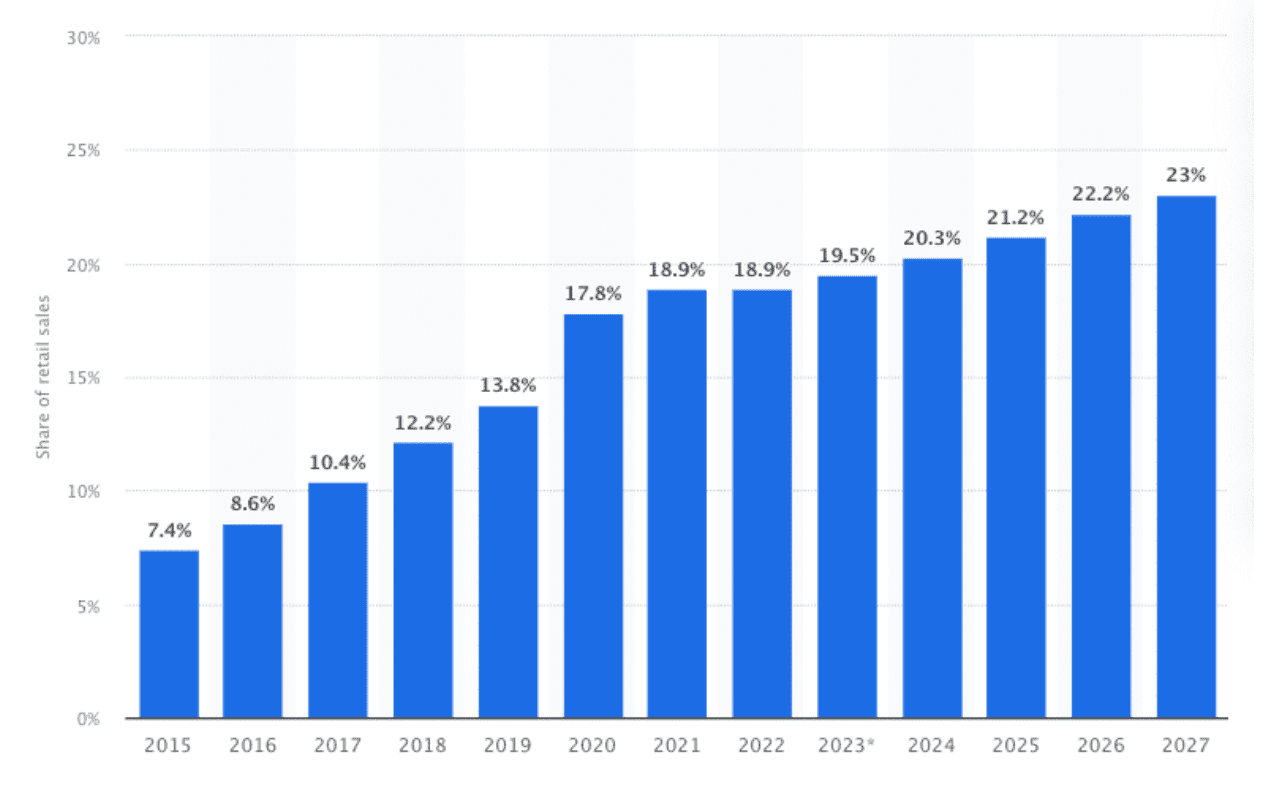
Source: Statista (2025)
- Segmentation and Personalization Capabilities: You will need to target your customers based on their location, purchase behaviors, and lifecycle stage. However, simply segmenting your audience without sending personalized messages often results in missed opportunities. That's why the tool that you will choose must offer advanced segmentation and personalization options.
- Logging and Analytics Dashboard: Recording logs helps you perform “list cleansing” to reduce costs associated with sending to invalid contacts. Reports on open rates, click-through rates, and conversion rates are critical for retailers. An intuitive analytics dashboard enables you to effectively analyze data and fine-tune your marketing campaigns with precision, rather than relying on guesswork.
- Automation: To truly scale your marketing, automation isn't just a luxury, it's a necessity. In retail, the impact of a single, isolated SMS often pales in comparison to a strategically timed three-part sequence. Automation removes the guesswork and the logistical headaches, such as managing global time zones to avoid those dreaded midnight notifications. By automating shipping updates, promotional reminders, and abandoned cart alerts, you'll save hours of manual work and maintain a seamless connection with your customers 24/7.

Why EngageLab Fits Retail SMS Needs and Trusted by Global Leaders

EngageLab 's platform is designed keeping all these essentials in mind and this makes it a practical choice for both growing retailers and enterprise teams.
- High Deliverability & Speed: EngageLab has global coverage across 220+ regions with smart routing to maintain a 98% delivery benchmark. Built to handle over one million messages per second, it allows you to send messages successfully within minutes even during peak hours.
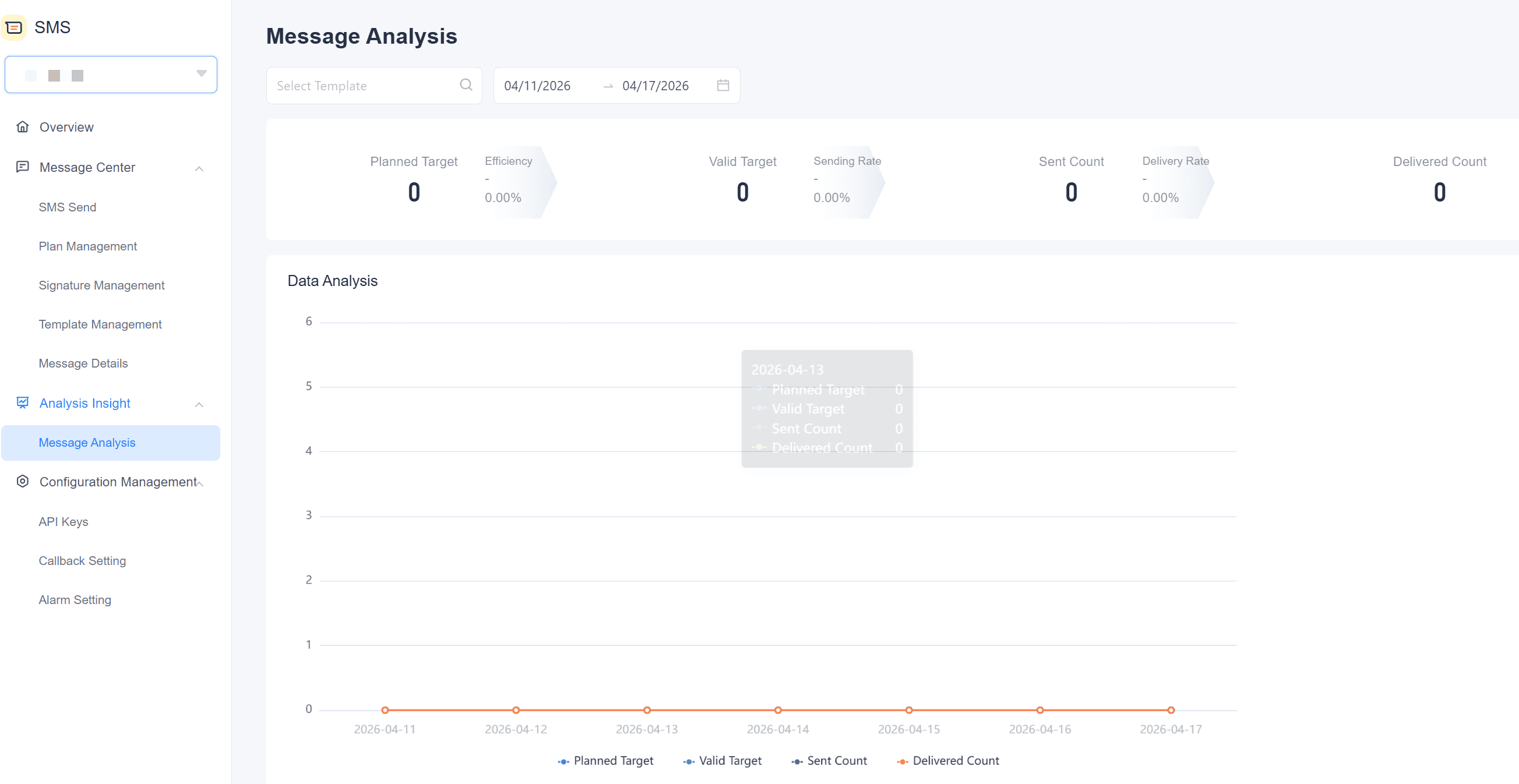
- Real-time Tracking and Updates: With EngageLab, you can get real-time delivery tracking for SMS campaigns
along with user behavior insights that you can use to refine your campaigns. For retailers working in
high-volume environments, such analytics directly impact ROI.
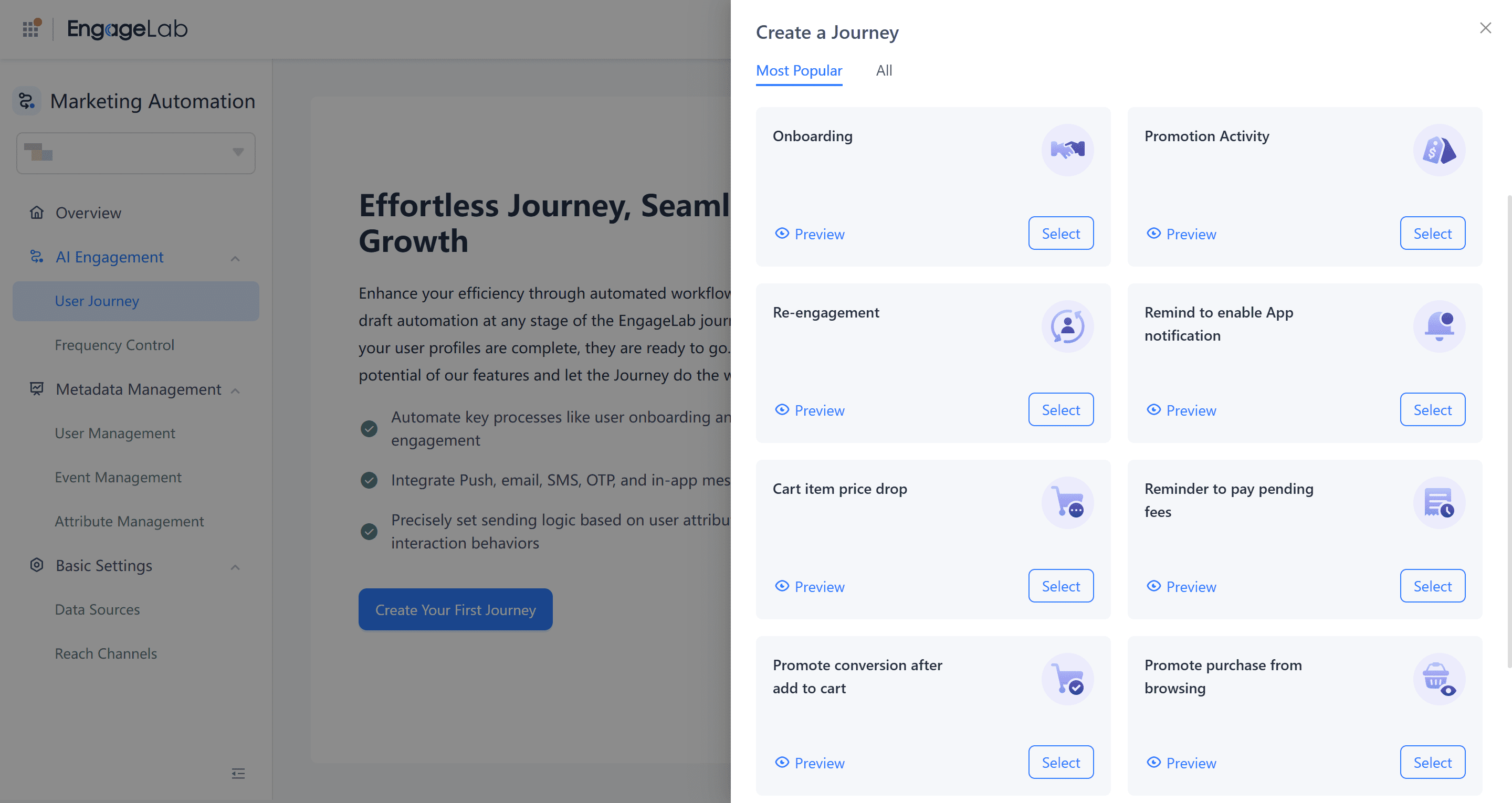
- Automation-ready: EngageLab empowers your business with
retail marketing automation
through trigger-based, ready-to-use workflows. Even without technical coding skills, you can
easily automate sending schedules—such as post-purchase, re-engagement, and promotional campaigns—minimizing the
need for manual effort.
- Omnichannel Integration: In addition to SMS, EngageLab supports multiple channels, including App Push, Web Push, Email, and WhatsApp. A single omnichannel API reduces operational cost, enabling you to execute collaborative, automated multi-channel campaigns that achieve true cross-channel synergy.


FAQs About SMS in Retail
1. What is SMS in retail?
SMS in retail means using text messages to communicate with potential and existing customers, either one-way or two-way. Such SMS campaigns are used to send alerts, limited-time offers and tracking updates to customers.
2. What to say to attract retail customers in SMS?
Focus on clear value and don't forget to add urgency. SMS marketing campaigns that offer discounts and limited time offers perform best. Also, try to add strong CTAs to get the desired results.
3. How does retail use text?
Retail businesses use SMS for sending 3 types of messages: promotional, transactional and relational. This channel helps retailers acquire, retain, and re-engage customers, improving their conversion rates.
Summary
Retaining customers via SMS requires a well-planned strategy, it isn't a one-click thing. When your campaigns are relevant, timely and easy to act on, you can easily get your desired results from retail SMS. Execution and consistency are key. A little designed detail will help you stand out among your competitors and make all the difference between campaigns that convert and those that get ignored by customers.
A reliable platform can offer solid support, unlocking potential leads hidden in your contact list. Solutions like EngageLab can help you run campaigns that have high impact without adding operational complexity.
![70 Holiday Greeting Messages for Business on Every Occasion [2026]](https://img.engagelab.net/article/happy-holiday-msg-cover.png)


![Best SMS Short Code Providers: 10 Options Compared [2026 Updated]](https://img.engagelab.net/article/sms-short-code-service-provider.png)

