Jacob Morrow
Updated: 2026-06-11
You drive traffic to your product pages. Shoppers browse, compare, spend time on your site — then leave. Carts abandoned. No purchase made.
This gap between traffic and conversion is where most retail businesses lose. The issue is rarely pricing or product quality. It's what happens after a visitor arrives: the timing, relevance, and quality of every interaction between your brand and the customer.
That's retail customer engagement — and for many retailers, it has become a major factor in whether growth is sustainable or expensive to maintain.
Part 1. What Is Retail Customer Engagement?

Retail customer engagement is the ongoing process of helping customers move smoothly from interest to purchase to repeat purchase through relevant, timely interactions.
Customers rarely describe this as “engagement.” They describe it as a brand being easy to buy from.
It's distinct from marketing. Marketing drives customers to your channel. Engagement determines what happens once they arrive: whether a hesitant visitor becomes a buyer, whether a one-time buyer returns, and whether a loyal customer becomes an advocate.
According to Salesforce's State of the Connected Customer (2024), 80% of customers say the experience a company provides matters as much as its products. It highlights a simple reality: customers often judge the buying experience as much as the product itself.
Effective retail customer engagement spans the full customer journey:
- Loyalty and lifetime value: Customers who feel understood return more often and spend more per visit.
- Reduced churn: Proactive engagement removes friction — slow responses, irrelevant messages — before it drives customers away.
- Higher average order value: Contextual recommendations land better than generic promotions, especially during active shopping sessions.
- Organic growth: Customers with genuinely positive experiences become unprompted promoters — still the highest-converting acquisition channel.
Part 2. Why Retail Customer Engagement Is Failing Today
Most businesses aren't failing from lack of effort. The breakdown is structural: engagement programs are misaligned with how customers actually shop.
When a customer browsing at 11pm has a question about your return policy, they're not waiting until 9am. That purchase window closes in minutes. According to the Baymard Institute (2024), average cart abandonment across ecommerce sits at 70.19% — a significant share driven by unanswered questions and friction at the point of decision.
Email illustrates the gap between activity and impact. Teams invest in campaign design, segmentation, and testing. Yet the Emarsys Customer Engagement Index (2025) found that 58% of consumers consider most marketing emails they receive irrelevant. The messages reach inboxes; the intent doesn't follow.
Fragmentation compounds the problem. When a customer raises a complaint via live chat and follows up by email, most retail systems treat these as separate tickets. The customer repeats themselves. The same SAP report found 75% of consumers disengage from brands that pass them between teams to resolve a single issue.
Many retailers have added more channels, but the customer experience across those channels is still disconnected. Real-time response and behavioral context are where engagement actually happens — and where most programs fall short.
Many mid-sized retailers do not need more channels yet. They usually need to make two or three existing channels work together properly first.
Part 3. Examples of Customer Engagement in Retail

Abstract strategy is easier to evaluate against concrete behavior. Here's what strong retail customer engagement looks like in practice:
1Abandoned cart recovery during peak season.
A customer adds a winter jacket to their cart during a holiday shopping campaign but doesn't check out. Within 20 minutes, they receive a chat message: "Still thinking it over? We can hold this size for 24 hours." That's behavioral trigger meeting real-time channel — not a blanket email three days later.
2Loyalty program with cross-channel sync.
A customer earns points from an in-store purchase at a POS terminal. When they open your app that evening, their loyalty balance is already updated, and they receive a personalized push notification about a product that matches their purchase history. The in-store and ecommerce journeys are treated as one.
3Inventory alert that saves the sale.
A customer views a sold-out product and opts into a restock notification. When inventory returns, they get an immediate push alert with a direct link to purchase. No generic newsletter — a single, relevant trigger tied to a specific expressed intent.
4Post-purchase upsell in the support window.
A customer contacts support about a recent order. The agent resolves the issue, then — because they can see the customer's purchase history — flags a compatible accessory the customer hasn't bought. The support interaction becomes a low-pressure, high-context sales moment.
In each case, the same principle applies: respond quickly based on what the customer has just done. That's what distinguishes engagement from broadcasting.
Part 4. What Actually Improves Retail Engagemen
Omnichannel Communication
Customers naturally switch between your website, app, social media, and store locations without thinking of them as separate channels. Most retail systems don't keep up.
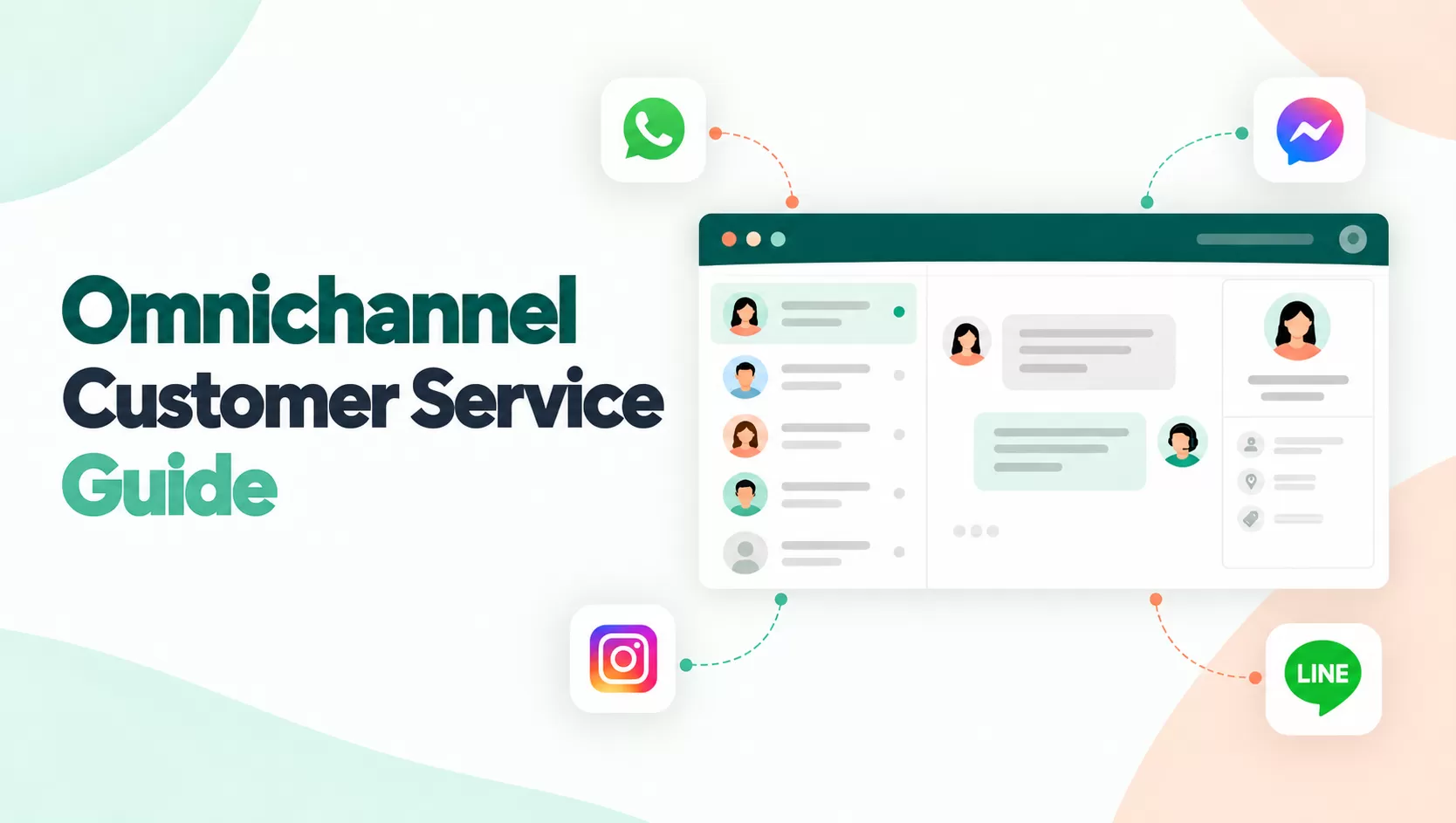
A multichannel approach maintains separate touchpoints that don't share context. An omnichannel approach connects them: a complaint raised via live chat is visible when the customer calls your support line the next day. POS data from in-store purchases informs digital recommendations. The customer never repeats themselves.
For retailers managing loyalty programs, this sync is particularly valuable. A customer whose in-store and online activity is unified into a single profile generates far more useful engagement signals than one whose behavior is split across disconnected systems.
Personalized Messaging
Personalization in retail engagement isn't cosmetic. It means triggering communication based on where a customer actually is in their journey:
- A cart abandoner receives a timely, channel-appropriate follow-up — not a discount code that arrives after they've already bought elsewhere.
- A repeat customer browsing a new product category sees recommendations based on past purchases, not demographic averages.
- A customer in an active support conversation is not served promotional content until the issue is resolved.
Broad segmentation still has value, but recent customer behavior is often a stronger signal than profile data. Useful timing usually matters more than clever copy.
Email and push notifications are effective delivery channels when anchored to real-time behavioral triggers — and noise when they're not.
Real-Time Customer Interaction
Purchase decisions happen fast, especially in high-consideration categories. A customer who has spent eight minutes on a product page, read the specs, and opened the shipping FAQ is in a high-intent moment. That's the window for engagement — not a follow-up email tomorrow.
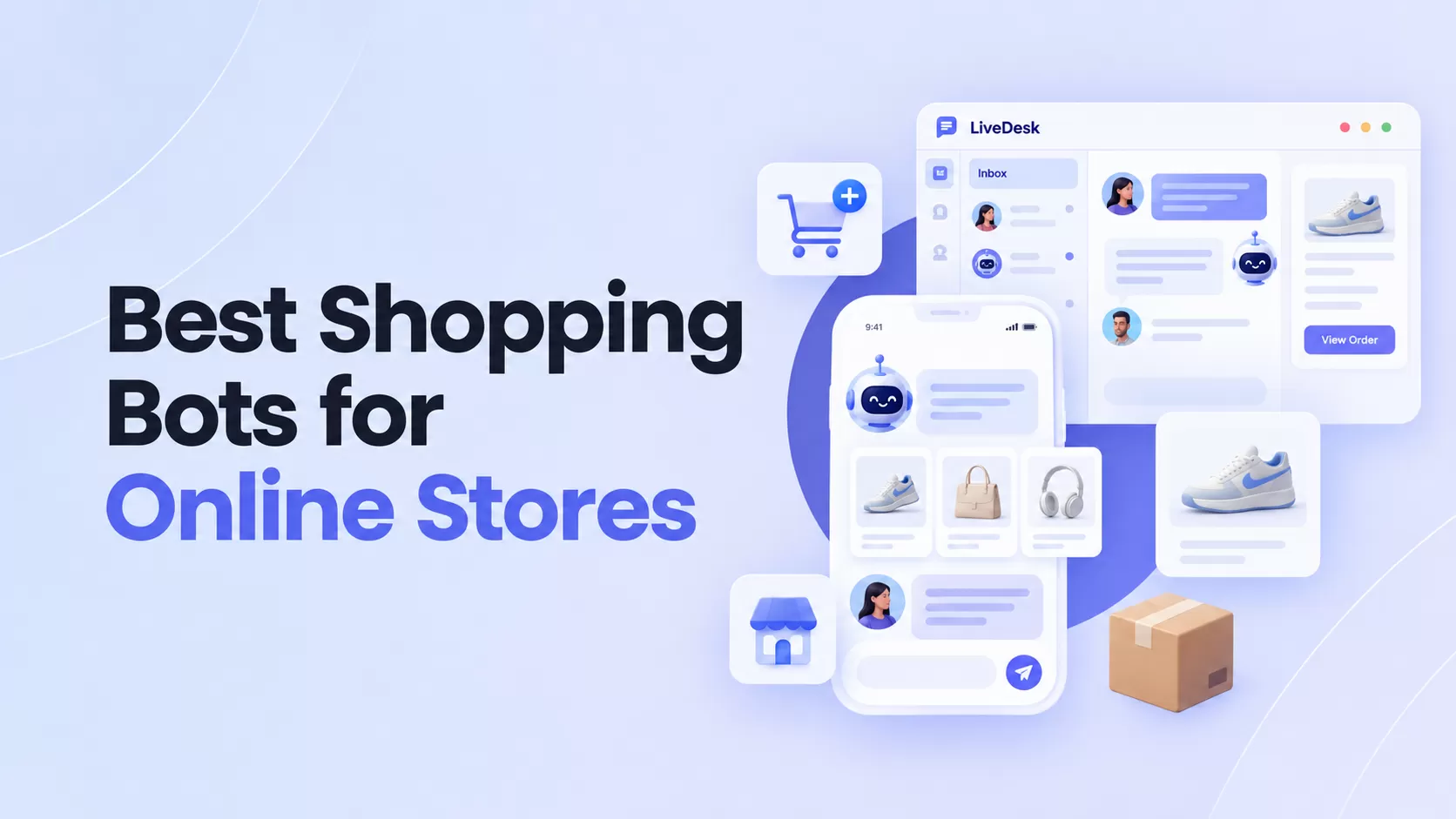
Live chat and AI-powered messaging address this directly. When a customer can ask a question and receive a relevant answer within seconds, the friction that causes abandonment dissolves. Real-time engagement also enables contextual upsell: recommending a complementary item during an active purchase session lands as helpful, not intrusive.
For holiday shopping seasons and other high-volume periods, AI handles routine inquiries — order status, return windows, inventory availability — at scale and outside business hours, while human agents focus on complex or high-value interactions.

Part 5. What Tools Retail Teams Commonly Use
The right tools depend on where your engagement gaps are. Three categories matter most:
Customer engagement platforms (e.g., EngageLab Livedesk, Zendesk, Intercom) handle live chat, AI-powered messaging, and cross-channel conversation management. These are the operational core of real-time engagement programs.
CRM and customer data platforms (e.g., Salesforce, Klaviyo, Segment) unify purchase history, behavioral signals, and support interactions into a single customer profile. Without this layer, personalization is guesswork.
Marketing automation tools (e.g., Klaviyo, Braze, Iterable) manage behavioral email, push notifications, and SMS triggered by customer actions — abandoned carts, restock alerts, loyalty milestones. Effective only when connected to real behavioral data.
The tools work best when integrated. A customer engagement platform that can't access purchase history produces generic responses. A CRM with no connection to real-time chat misses in-session opportunities. The specific tools matter less than whether customer data is connected and usable across teams.
Part 6. Solution: Platform Support for Scalable Engagement
Executing omnichannel communication, behavioral personalization, and real-time response simultaneously — at enterprise scale — requires infrastructure that most retail teams don't have time to build from scratch.

EngageLab Livedesk is built for this use case. It brings live chat, messaging channels (WhatsApp, LINE, Telegram, Instagram, email, SMS, etc.), and customer data into a unified workspace with three practical capabilities:
- Unified customer timeline: Every channel interaction — from an in-store inquiry to a WhatsApp message — feeds into the same profile, giving agents and AI full context before responding.
- AI + human workflow: AI handles high-volume routine inquiries 24/7; complex cases escalate to human agents with full conversation history preserved.
- Smart routing: Incoming inquiries are matched to the right team based on intent and source, reducing response time and eliminating unnecessary handoffs.
Real-time support infrastructure does require upfront investment. And AI-powered engagement, if misconfigured, can feel impersonal — the opposite of what you're building toward. The goal is using automation to extend the reach of human attention, not replace it.
If real-time, cross-channel engagement is a gap in your current operations, it's worth exploring what a dedicated platform can operationalize.
Part 7. FAQs from Retail Teams
How do you measure retail customer engagement
Key metrics include cart abandonment rate, customer retention rate, average order value, first response time in live chat, CSAT, NPS, and loyalty program engagement rate. Reviewing these together provides a more accurate picture than any single metric in isolation. Declining retention alongside flat AOV, for example, signals a different problem than declining retention with rising support volume.
What tools are used for retail customer engagement?
The most effective retail engagement stacks combine a customer engagement platform (for live chat and AI messaging), a CRM or customer data platform (for unified customer profiles and behavioral history), and a marketing automation tool (for triggered email, push, and SMS). Integration between these layers is what enables behavioral personalization at scale.
Is omnichannel always necessary?
No, omnichannel is not always necessary. Many retailers achieve strong results by connecting their most important channels first, such as website, email, and live chat. The priority should be a consistent customer experience, not simply being present on every platform.
What are the 5 stages of customer engagement?
The 5 stages of customer engagement are awareness, consideration, purchase, retention, and advocacy. Customers first discover a brand, evaluate options, make a purchase, return through positive experiences, and eventually recommend the brand to others.
How to engage with customers in retail examples?
Retailers can engage customers through personalized product recommendations, abandoned cart reminders, loyalty rewards, real-time live chat support, restock alerts, and post-purchase follow-ups. These timely and relevant interactions help increase conversions, repeat purchases, and customer satisfaction.
Conclusion
Retail customer engagement turns traffic into revenue.
Businesses often invest in acquisition but leave engagement to chance: slow responses, irrelevant messaging, and disconnected channels reduce conversion.
The path forward is clear: unify customer data, personalize communication, and engage customers in real time.
EngageLab Livedesk helps retailers do this through live chat, AI support, and cross-channel messaging.