Jacob Morrow
Updated: 2026-05-25

World Cup Traffic Spikes Expose OTP Weak Points
When a global event hits, traffic doesn't rise like a gentle tide. It arrives in bursts: a goal, a highlight, a halftime promo, a flash sale, a login storm. If your OTP flow is even slightly fragile, those bursts turn into something your team has seen before: codes arrive late, users hit resend, completion rate dips, support tickets pile up. The point isn't to scare you into a last-minute rewrite. It's the opposite—you can reduce peak-event OTP risk in phases, starting with quick wins you can put in place now.
Why World Cup Peaks Are Brutal for OTP
Two things make event traffic different from normal growth. First, it's spiky. The worst minute matters more than the average hour. According to industry research on high-concurrency authentication, traffic spikes during major sporting events can reach 300-500% above baseline levels, compressing verification windows and amplifying the impact of any single delivery delay. Second, user intent shifts: you get more high-stakes, high-urgency behavior at the same time—new registrations and KYC-style onboarding, new-device logins and password resets, checkout attempts and transaction confirmations.
There's also a third factor teams sometimes miss: abuse. High-attention moments attract credential stuffing, OTP bombing, and other automated attempts that increase load and raise fraud risk right when your verification flow is under pressure. During World Cup peak windows, the combination of traffic spikes, carrier congestion, and elevated abuse patterns creates a compounding risk that single-channel OTP systems are not designed to handle.
What "OTP Reliability" Actually Means
OTP reliability isn't one number. It's a bundle of outcomes that decide whether the user gets through the gate. Here are three that matter in practice.
1) Delivery speed (and the slow tail)
Don't obsess over a single "average" latency figure. Peak incidents rarely fail on the average. They fail when a small slice of users waits long enough to abandon the flow, request multiple codes, or try another channel. During carrier congestion periods, OTP delivery latency can increase from seconds to minutes, creating a "slow tail" of delayed verifications that disproportionately impacts users on specific carriers or in specific regions.
2) Delivery success, by market
"Delivered" is not the same as "received and used." You need a view of success rates by country and channel, because spikes are not evenly distributed across carriers and regions. According to GSMA's 2025 messaging infrastructure report, carrier filtering and throttling behavior varies significantly by route during high-traffic periods, with some carriers becoming 40-60% more aggressive in filtering message patterns that resemble spam.
3) Verification completion rate
This is where reliability becomes a business metric. If OTP delivery degrades, your completion rate drops. According to Sinch's 2025 messaging reliability study, the gap between aggregate delivery rate and actual verification completion rate can be 8-15% during peak traffic, meaning teams relying only on delivery metrics are blind to significant user experience failures.
What Breaks First During Peak Load
Peak events don't create one failure mode. They create several, often at the same time.
Carrier congestion and rate limits
Even if your application stack scales perfectly, you can still hit bottlenecks outside your infrastructure. MojoAuth's overview notes that network capacity limitations during high-traffic periods can cause OTP delays or failures, and carriers may throttle delivery under load.
Queueing inside your own system
Peak traffic amplifies small inefficiencies: OTP requests pile up, timeouts trigger retries, users hit resend. According to Twilio's engineering research, aggressive retry policies during traffic bursts can amplify message volume by 3-5x, increasing filtering risk and queue congestion.
Abuse pressure (OTP bombing)
Without rate limiting and anomaly detection, abusive patterns can increase costs and flood your channel. According to NIST SP 800-63B guidelines, these are foundational controls for preventing abuse-driven verification failures during high-traffic periods.
Reliability Patterns That Work When One Channel Fails
Multi-channel delivery with fallback
A resilient approach is to add a fallback path (WhatsApp, email, or voice). According to CTIA's 2025 wireless industry survey, multi-channel verification strategies reduce verification failure rates by 35-50% compared to single-channel SMS during peak traffic events.
Smart routing and bounded retries
Retries help, but unbounded retries make congestion worse. A practical retry posture looks like this: cap the number of retries, add backoff between attempts, and use route-aware retry logic to avoid failing paths.
A Start-Now World Cup OTP Readiness Plan
Today: Quick Wins
- Pick highest-risk flow
- Add resend limits
- Prioritize OTP traffic
This Week: Stabilizers
- Add fallback channel
- Define routing rules
- Set alert thresholds
Next: Hardening
- Expand fallback coverage
- Run burst-style tests
- Incident playbooks
Where EngageLab OTP Fits
If you're reviewing what "good" looks like for peak-event OTP, EngageLab OTP is designed around the reliability patterns above:
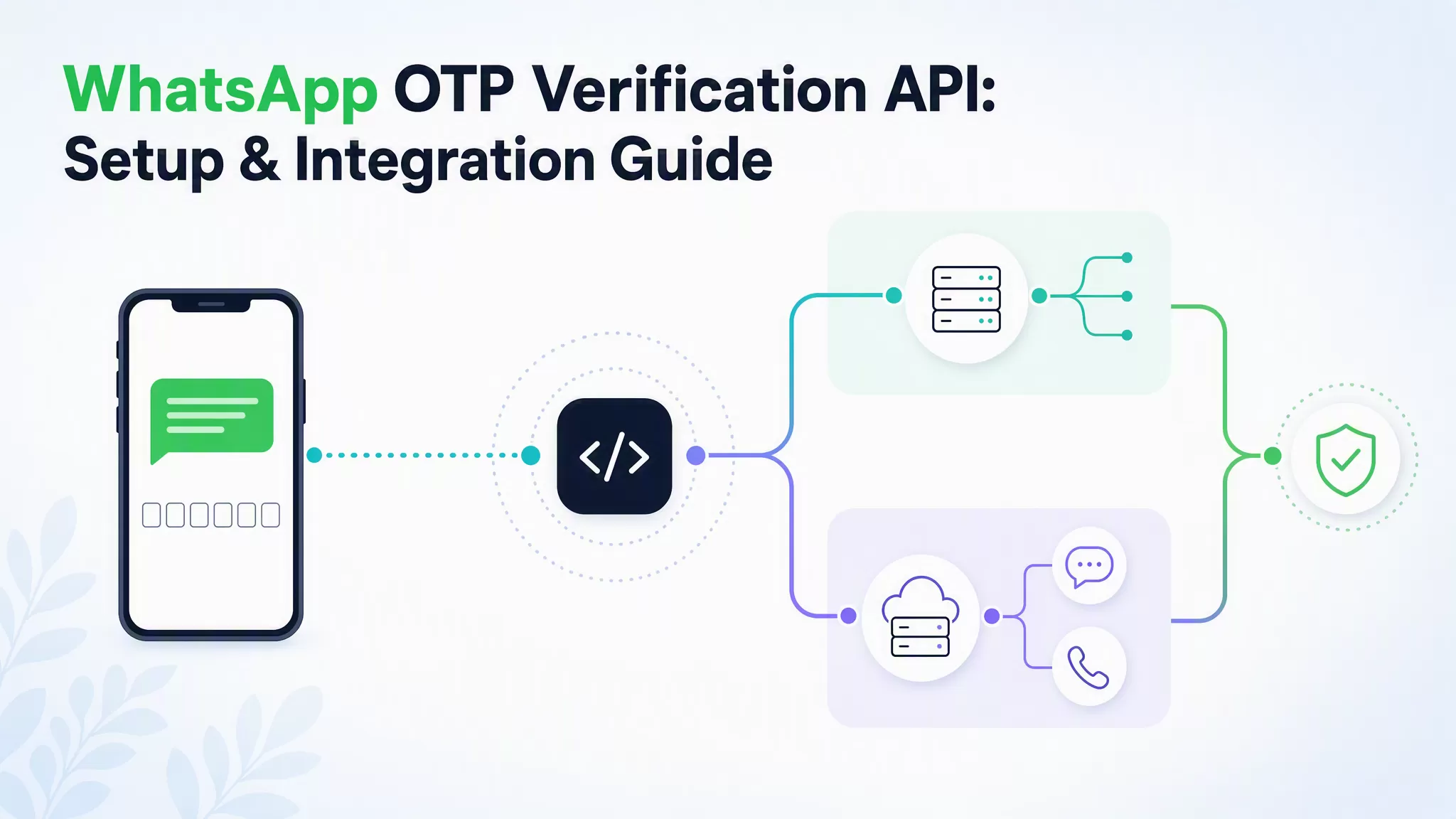
- Multi-channel OTP: SMS, email, WhatsApp, and voice with automatic fallback.
- Smart routing: Automatic retry with bounded caps and route-aware logic.
- Localized templates: Multi-language support with sender identity management.
- Abuse detection: Rate limiting to protect channel capacity during peak traffic.

Frequently Asked Questions
What is OTP reliability and why does it matter during World Cup peak traffic?
OTP reliability is the combination of delivery speed, delivery success rate, and verification completion rate. During World Cup events, traffic spikes of 300-500% compress verification windows and expose weaknesses. Reliability during peak isn't about a single number—it's about acting before completion rates drop enough to cause abandoned logins and lost transactions.
What is multi-channel OTP fallback and why is it critical?
Multi-channel OTP fallback routes verification to an alternative channel (WhatsApp, email, or voice) when the primary channel (SMS) degrades. During World Cup peak traffic, carrier congestion can block SMS delivery within minutes. A resilient fallback approach reduces single-channel dependency and improves overall completion rates by 35-50%.
What is OTP bombing?
OTP bombing is a fraud technique where attackers trigger repeated OTP requests to a victim's phone number. During peak events, these attempts increase, adding fraudulent load that degrades legitimate user success rates. Rate limiting and anomaly detection are foundational controls to prevent this.